The VI CIGESTUR Congress analyses tourism pressure, sustainability and artificial intelligence in heritage tourism over two days.
InfoCórdoba newsroom
·
Photo: Universidad de Córdoba · Gabinete de Comunicación
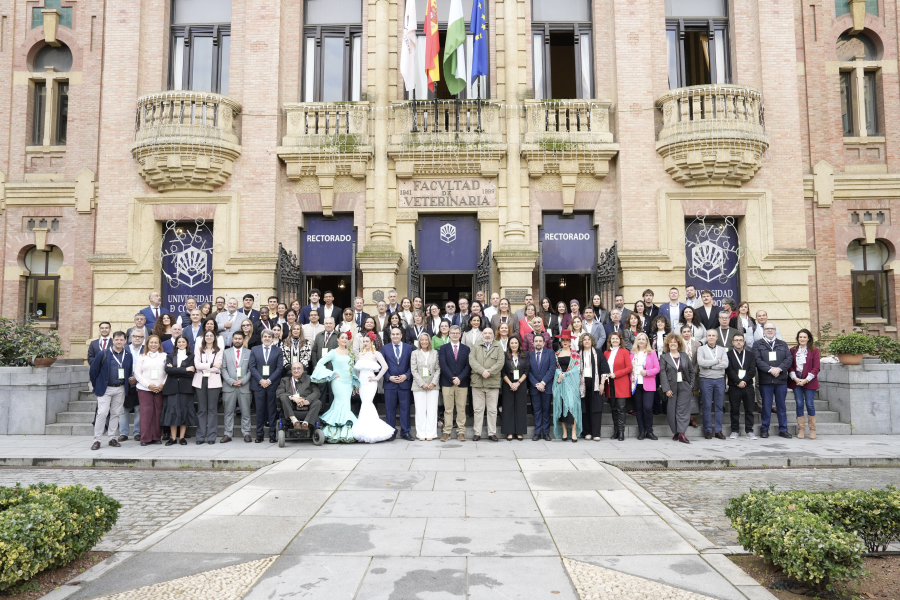
Tourist pressure on cities, the sustainability of destinations, regulation of the sector and artificial intelligence applications are part of the programme of the VI International Congress on Tourism Management of Heritage in Inland Destinations (CIGESTUR), held in Córdoba over two days with 350 researchers from four continents and 50% international participation.
Over the two main days, 125 academic papers are presented on planning of heritage destinations, the impact of tourism on historic centres, sustainability, regulation of the sector and new technologies. Gastronomic heritage, rural and nature tourism and the use of artificial intelligence to design tourist experiences are also addressed.
Among the studies from the University of Córdoba are papers on working conditions in accommodation and restaurant establishments, accessibility barriers in heritage spaces and criticism of touristification expressed on social media. International participation will allow learning about experiences from other destinations, such as the management of the archaeological site of Petra, in Jordan, or the conservation and tourist use of sites declared World Heritage in Italy.
In the first session, the Observatory for Local Tourism Sustainability of Andalusia is presented by María Dolores Guerrero Baena, of the University of Córdoba, and Paqui Castilla Polo, of the University of Jaén. The report analyses environmental, social and economic indicators to assess the sustainability of Andalusian destinations.
A congress dedicated to Averroes
The meeting, organised by the University of Córdoba and its Chair of Heritage and Cultural Tourism, dedicates this edition to the figure of Averroes on the occasion of the 900th anniversary of his birth. The scientific sessions have been preceded by two days of academic activities, with lectures by invited universities and the presentation of the book Satisfacción en la visita turística y aspectos de sostenibilidad.
The programme also includes visits to the Museo Taurino and the Mosque-Cathedral, as well as activities related to the olive oil of Priego de Córdoba and the wines of Montilla-Moriles. The opening ceremony concluded with the show El Flamenco: patrimonio, tradición e imagen, by Teresa Ávalos, with flamenco dresses, shawls and Córdoba hats.
The director of the congress and of the Chair of Heritage and Cultural Tourism, Ricardo Hernández Rojas, has stated that «excess tourism is a symptom, it is not a problem in itself» and has explained that the congress will address the regulation of tourist-use dwellings. Hernández Rojas has stated that the meeting is a «world reference» and has pointed to the role of new technologies and artificial intelligence in tourist experiences in the coming years.
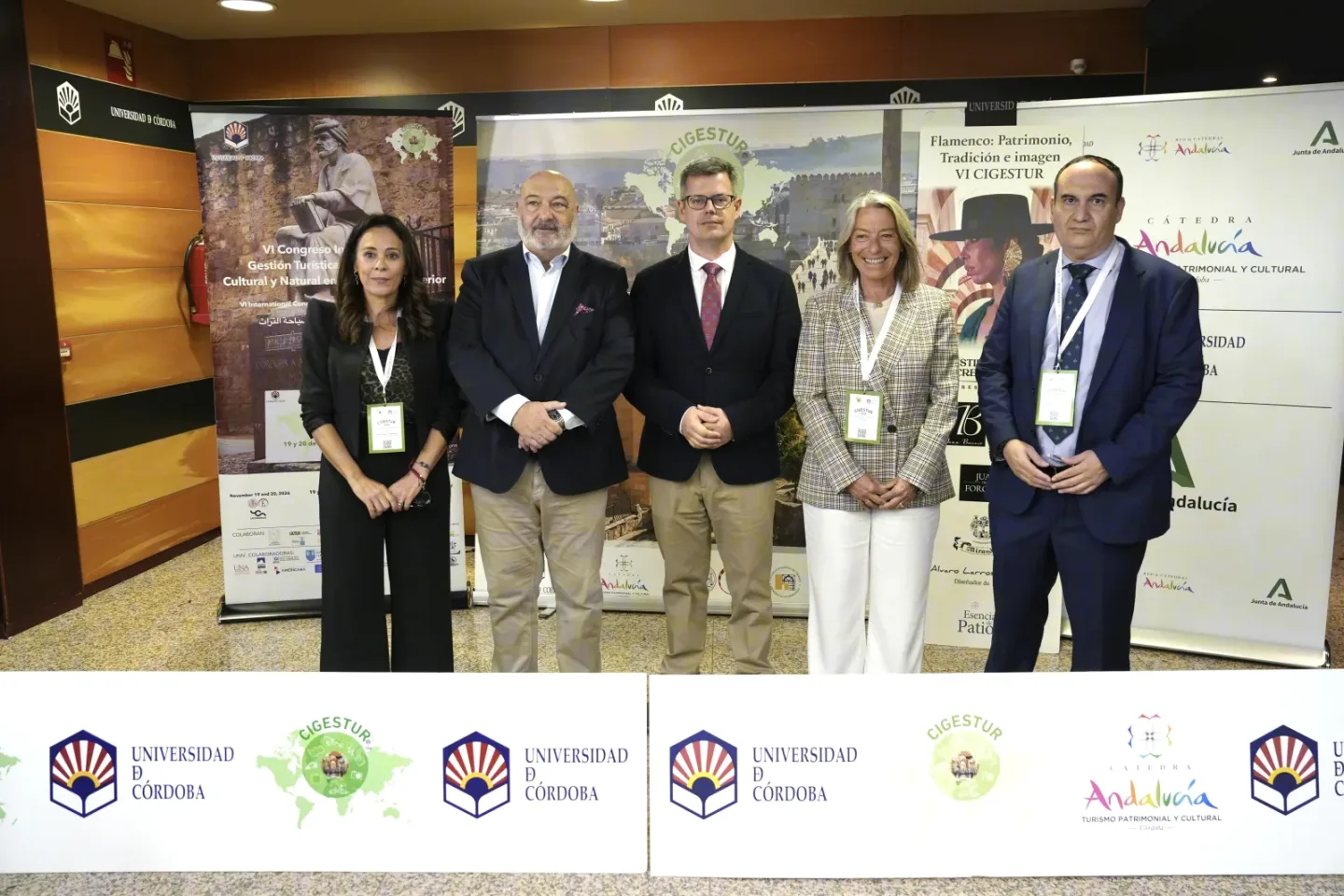
The opening ceremony included speeches by the Vice-Rector for Transfer, Continuing Education and Entrepreneurship, Sergio Castro; the Territorial Delegate for Tourism of the Junta de Andalucía, Alejandro Hernández Valdés; the Delegate for Culture and Historical Heritage of the Córdoba City Council, Isabel Albás Vives; and the Dean of the Faculty of Labour Sciences, Nuria Ceular Villamandos, according to the University of Córdoba.
Share this story
Breaking news from News, on your phone
An alert only when something can't wait. Free, no account needed.
On iPhone, alerts only arrive if you first add InfoCórdoba to your Home Screen.
How to do it, step by step
This browser can't receive alerts. Try another one, such as Chrome or Safari.
You've blocked alerts from InfoCórdoba in this browser. You can turn them back on in its settings.
How to do it, step by step