29-N general election in Córdoba How to vote, the calendar and every result since 1977

The Roman wine of Carmona preserves the yeast of Andalusian white wines

Topics Universidad de Córdoba

A University of Córdoba study finds in the wine from two thousand years ago remains of the protein linked to current biological aging.

InfoCórdoba newsroom ·
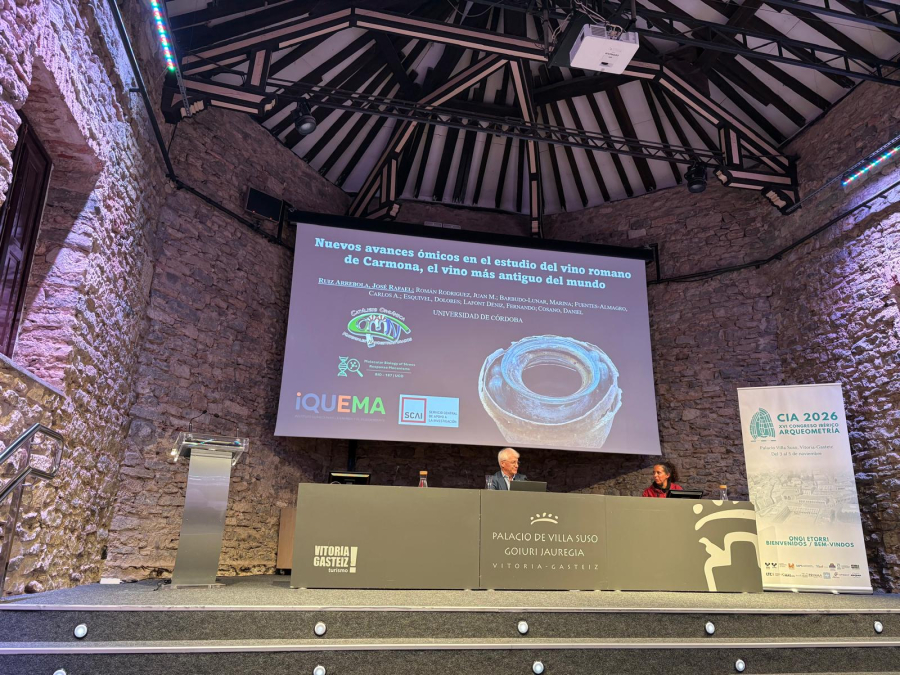
Dos personas tras una mesa en un escenario de piedra bajo una pantalla con una presentación sobre vino romano y una vasija.
Photo: Universidad de Córdoba · Gabinete de Comunicación
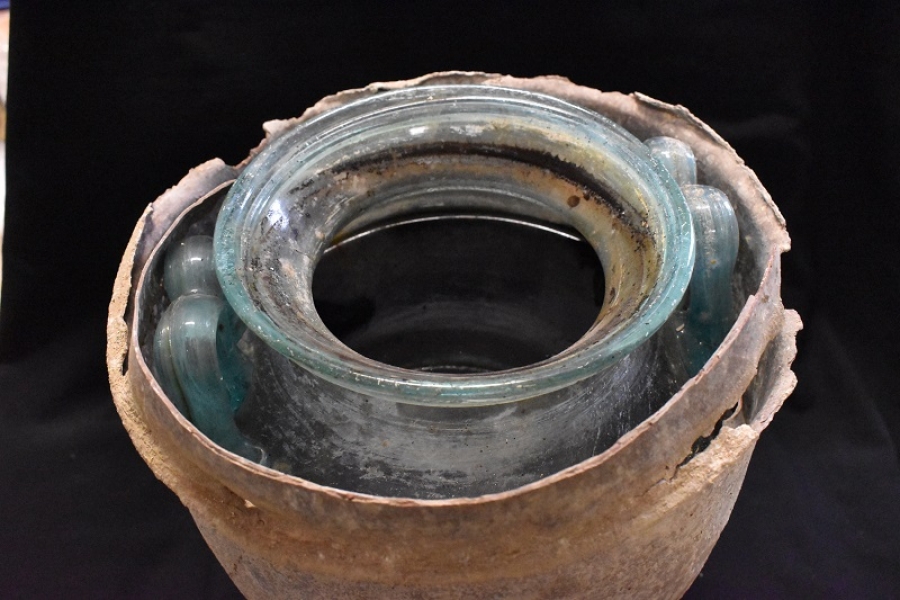
The oldest wine in the world, found in 2019 in a 1st century AD Roman tomb in Carmona (Sevilla), still bears traces of the same yeast that today takes part in the biological ageing of the white wines of Montilla-Moriles, Jerez, Sanlúcar de Barrameda and the Condado de Huelva. A team from the University of Córdoba (UCO) has found in the sample remains of a protein related to Saccharomyces spp. yeasts, the ones that form the flor veil on the surface of the liquid and give these wines their character. The finding, presented at the XVI Iberian Congress of Archaeometry, suggests that the Roman liquid may have gone through a stage of biological ageing similar to today's flor veil. This is explained by UCO professor José Rafael Ruiz Arrebola, who presented the results: «The results of the study suggest that the Roman liquid may have undergone a stage of biological ageing associated with the development of a surface film of yeasts, comparable to the well-known flor veil of some traditional wines today».

A funerary urn, not a wine cellar

The wine was not made to be drunk. It was inside a glass urn next to the skeletal remains of a deceased male and a gold ring bearing the representation of the god Janus, in the necropolis of Carmona, and formed part of a funerary ritual. The tomb remained intact until 2019, which has allowed the team to also study aspects of daily life in Roman Baetica, such as perfumes and jewellery. To reach these conclusions, the researchers have used molecular archaeology tools that allow the DNA of microorganisms and the proteins preserved in the samples to be analysed. Comparison with a current fino wine has served to distinguish the original biological traces from the transformations and contamination suffered over two millennia. The work has also detected chemical and protein traces associated with pines, which could indicate the use of pine wood as fuel or flavouring. Specialists from the Department of Organic Chemistry, the Chemical Institute for Energy and the Environment (IQUEMA) and the Central Research Support Service (SCAI) of the UCO take part in the study, together with the Museo de la Ciudad de Carmona.

Shall we let you know what matters?

Phone alerts

Change or remove it in my alerts

1 foto

Foto: Universidad de Córdoba · Gabinete de Comunicación