29-N general election in Córdoba How to vote, the calendar and every result since 1977

ASAJA calls for protecting rice, poultry, sugar and ethanol in the EU-Thailand agreement

Topics ASAJA Córdoba

The farming organization calls on the European Commission to declare these sectors sensitive ahead of the final phase of the trade agreement.

InfoCórdoba newsroom ·
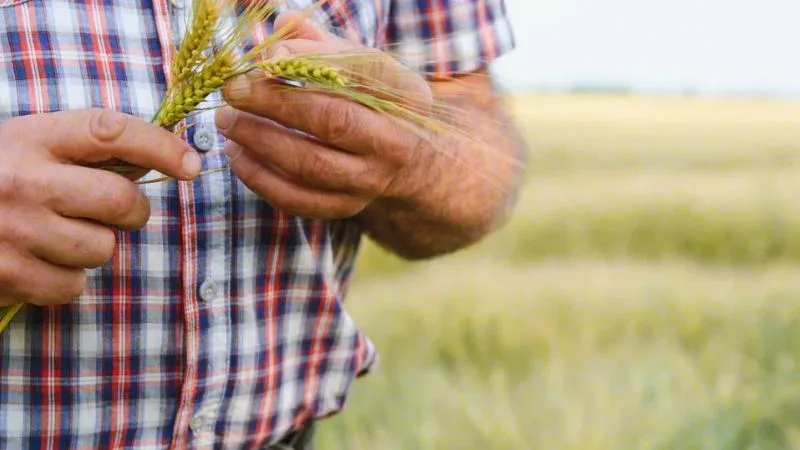
Manos de una persona con camisa de cuadros sostienen espigas de cereal en un campo de cultivo.
Photo: ASAJA Córdoba
Rice, poultry meat, sugar and ethanol must remain outside any new concessions in the Free Trade Agreement between the European Union and Thailand. That is the request ASAJA is conveying to the European Commission now that the negotiations are entering their final phase, as the agricultural organization details. The warning has a clear target: Spanish and European producers in these four sectors, whose difficulties would be worsened if the agreement opens the market further to Thai products. In the case of poultry meat, Thailand already has 153,800 tonnes of preferential access through tariff quotas, and ASAJA considers that it should not receive additional quantities. The organization maintains that the 2026 audit by the European Commission detected deficiencies in traceability, the separation between products suitable and unsuitable for the EU, the verification of the hazard analysis and critical control points (HACCP) system and Thai official controls. It therefore understands that additional access cannot be proposed without first guaranteeing effective compliance with import requirements.

The pressure the sectors already bear

The Spanish and European rice sector, ASAJA points out, already faces strong competition from imports and the entry of substantial volumes of duty-free rice from countries covered by the "Everything But Arms" (EBA) initiative. The organization asks that broken rice, rice flour and rice-based preparations also receive sensitive product treatment. In sugar beet, ASAJA puts the number of European factories closed since 2017 at 22 and stresses that this year the crop has disappeared from Andalucía, while the Thai industry consolidates as the world's second exporter. Ethanol, for its part, competes with low-cost imports from the United States, Mercosur or Pakistan.

The four conditions it sets out

ASAJA calls for the agreement to include:
  • Adequate treatment of sensitive products, with their exclusion from tariff liberalization where necessary.
  • The effective application of EU import requirements on food safety, environment and labour.
  • Strict rules of origin, limited to genuinely Thai products.
  • Safeguards that can be activated before the harm occurs.
The organization acts alongside Copa-Cogeca, where it holds a vice-presidency, and has joined a joint statement with AVEC, CEFS, CIBE, ePURE, Europêche, FERM and Starch Europe that also sets out the position of the tuna and starch sectors. ASAJA states that it will maintain this position until the negotiations close.

Shall we let you know what matters?

Phone alerts

Change or remove it in my alerts