A team from three universities designs a crate base that cushions impacts and vibrations and does not require changing the sector's packaging.
InfoCórdoba newsroom
·
Photo: Junta de Andalucía · Portavoz
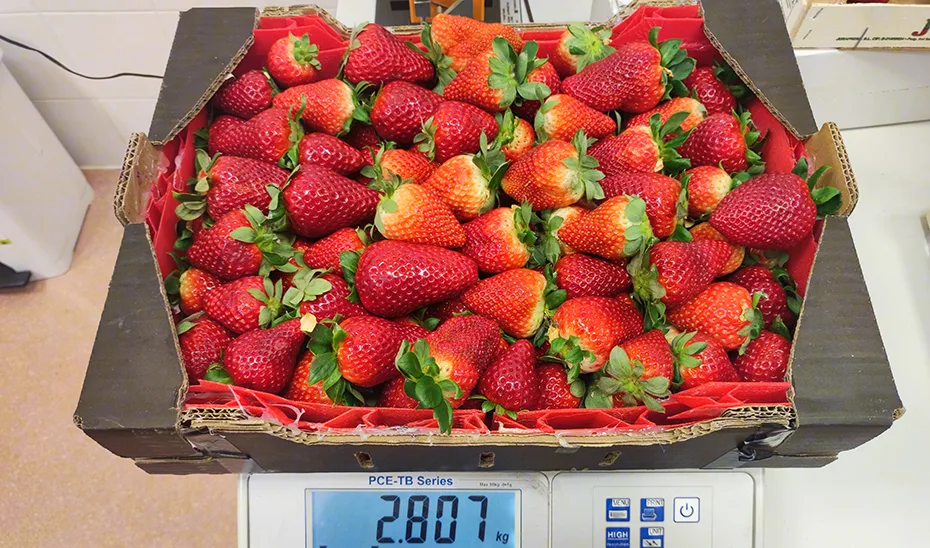
Strawberries travelling from the field to the supermarket lose quality along the way. A research team from the University of Córdoba, the Polytechnic University of Cartagena and the Miguel Hernández University of Elche has designed flexible 3D-printed sheets that, placed at the bottom of the boxes, reduce damage to the fruit during transport by up to four times, according to the Junta de Andalucía.
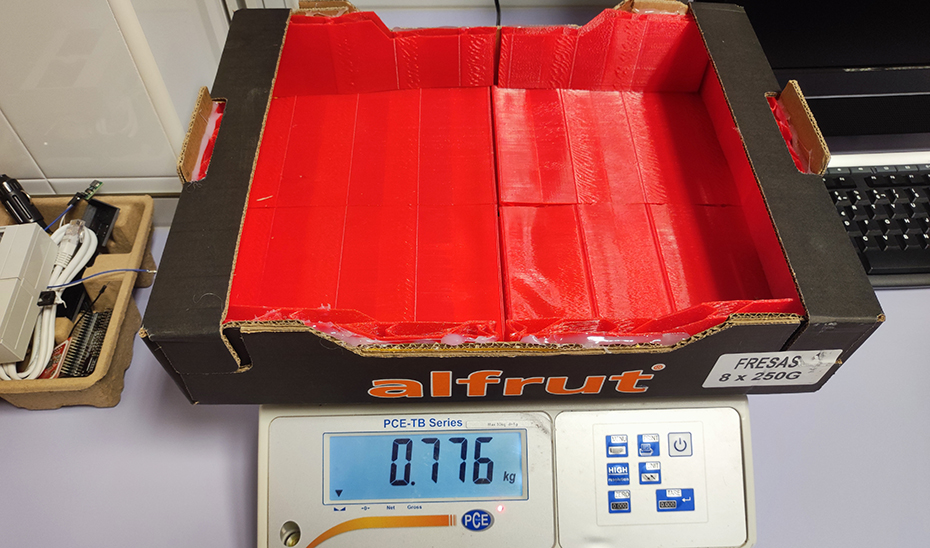
The material absorbs part of the vibrations and impacts of the journey. The key lies in its internal structure: it is made of thermoplastic polyurethane (TPU), a flexible plastic that recovers its shape after deforming, and the pattern with which it is printed allows it to retain part of the impact energy. Each piece is one centimetre high and fits in a standard box without changing the packaging system.
Fewer bruises and better colour
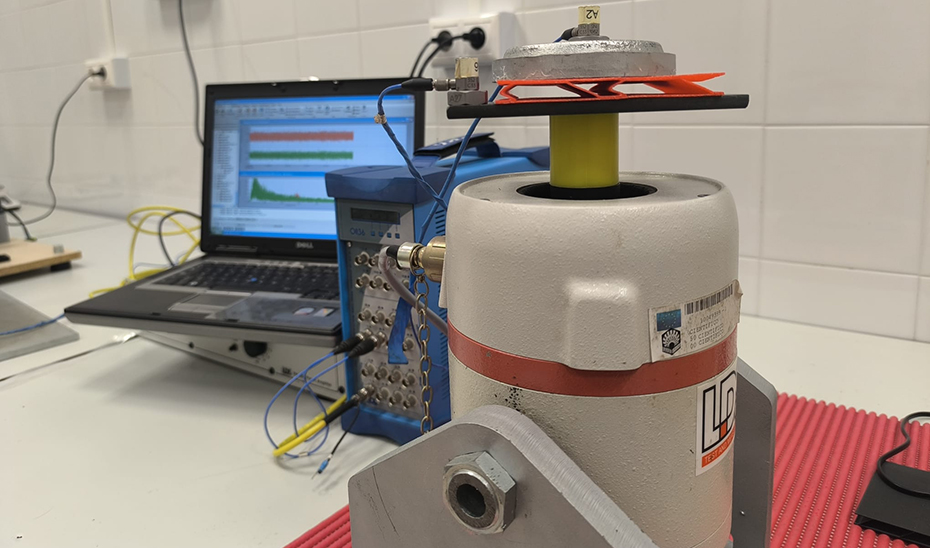
In the laboratory, the samples with TPU dampened more than 21 % of the vibrations, compared with around 3 % for cardboard in one of the conditions tested. In drop tests from 10 centimetres, the material reduced the impact about three times compared with cardboard; from 20 centimetres, by up to four times.
The team then moved the test to a rural road, with boxes with and without the sheet in the same vehicle. The protected strawberries suffered approximately four times less damage and retained their colour and weight better. By the fourth day, the cardboard boxes showed an average of 85 % bruised surface, compared with 36 % for the protected ones.
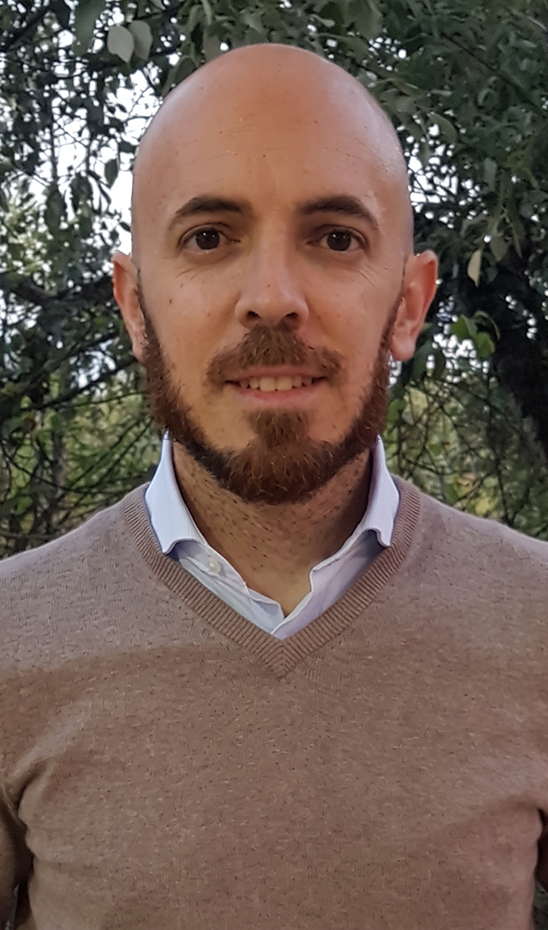
«A pothole on a rural road, for example, generates impacts that reach the fruit directly,» explains University of Córdoba researcher Sergio Bayano Tejero.
The system has not yet been implemented on a commercial scale. The team will study the material after the manufacturing process to confirm the conditions of contact with food, and will analyse its economic viability compared with protective foams, as well as the reuse, cleaning, recyclability, durability and cost of the sheets. It also plans to adapt the design to other sensitive fruits such as blueberries, cherries or grapes.
The work is part of the AGR-126 Mechanisation and Rural Technology group and has received funding from the Regional Ministry of University, Industry, Energy and Innovation of the Junta de Andalucía, through the Advanced Logistics of Harvested Fruit project (Loadfru).
Share this story
Breaking news from News, on your phone
An alert only when something can't wait. Free, no account needed.
On iPhone, alerts only arrive if you first add InfoCórdoba to your Home Screen.
How to do it, step by step
This browser can't receive alerts. Try another one, such as Chrome or Safari.
You've blocked alerts from InfoCórdoba in this browser. You can turn them back on in its settings.
How to do it, step by step