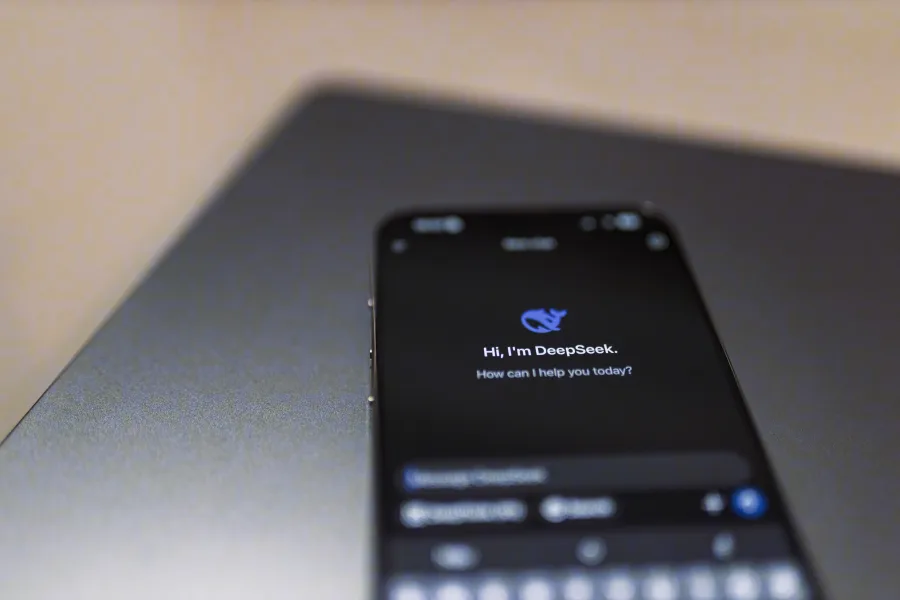
Researchers from the University of Córdoba study more than a thousand testimonies of people who tell their emotional distress to artificial intelligence.
InfoCórdoba newsroom
·
Photo: Universidad de Córdoba · Gabinete de Comunicación
More than a thousand people have recounted on the internet why they explain their emotional problems to ChatGPT and not to a psychotherapist. A research team from the University of Córdoba (UCO) has analyzed these testimonies, published on Reddit, and concludes that most do not turn to artificial intelligence out of trust in the technology, but because professional help is far away, expensive or has failed them.
The study starts from a phrase written by a user, "I call it my free therapist," and from the fact that 56% of the Spanish population claims to use artificial intelligence to clarify questions about their psychological well-being, according to the latest AXA mental health report. The researchers warn that their goal was not to check whether the tool works as therapy, but to understand what those who use it are looking for in it.
Expensive sessions and waiting lists
The testimonies collected speak of 45-minute sessions at 150 dollars, weeks of waiting and helplines that are always busy. In Spain there are about six clinical psychology professionals in the public health system per 100,000 inhabitants, three times fewer than the European average, according to the authors. There are also experiences of feeling judged or not listened to in consultation.
What those who converse with the chatbot value most is not its clinical knowledge, but that it does not judge, is always available, does not get tired and is free. Some users describe having burst into tears at feeling that their feelings were valid.
A tool that agrees with you
The researchers warn that these systems tend to flatter whoever uses them, because they are trained in part with user ratings. They recount the case of a person who raised a delusional idea with the chatbot and it ended up agreeing with them. They also recall that what is shared is not protected by professional secrecy and that the tool is not prepared for a crisis.
According to the study, artificial intelligence can serve as a diary, to organize ideas or prepare for a session, but not as a substitute for professional help. Some participants used it as a gateway to make an appointment with a specialist.
The authors propose bringing psychology into primary care and cite the PsicAP trial, according to which psychological treatment at that level is more effective for anxiety or depression than the usual treatment and for every euro invested between four and five are recovered.
The article is signed by Judith Velasco Rodríguez, Francisco J. Sanmartín and Juan Antonio Moriana Elvira, researchers at the University of Córdoba, and has been published in The Conversation.
Share this story
Breaking news from News, on your phone
An alert only when something can't wait. Free, no account needed.
On iPhone, alerts only arrive if you first add InfoCórdoba to your Home Screen.
How to do it, step by step
This browser can't receive alerts. Try another one, such as Chrome or Safari.
You've blocked alerts from InfoCórdoba in this browser. You can turn them back on in its settings.
How to do it, step by step