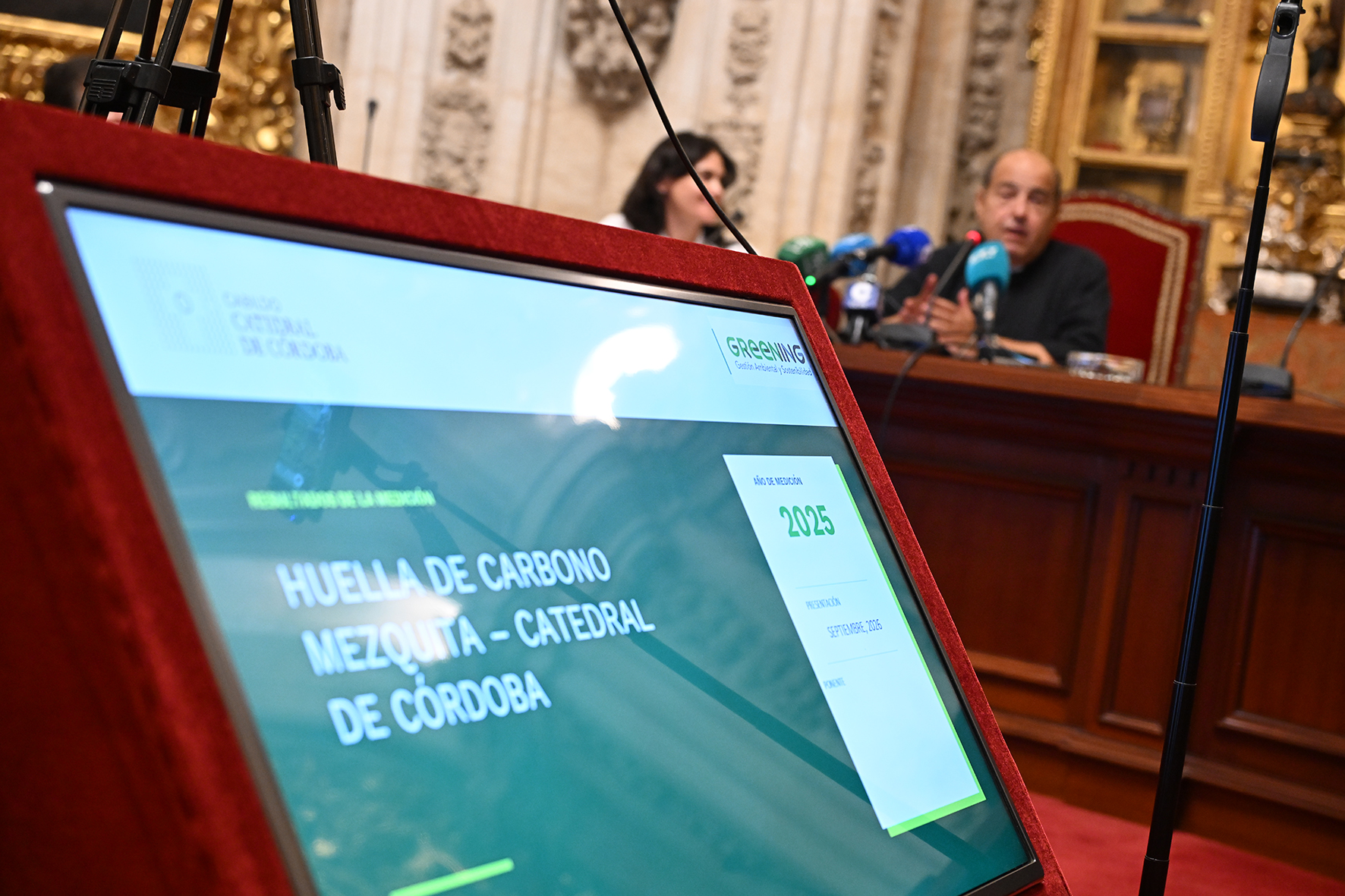
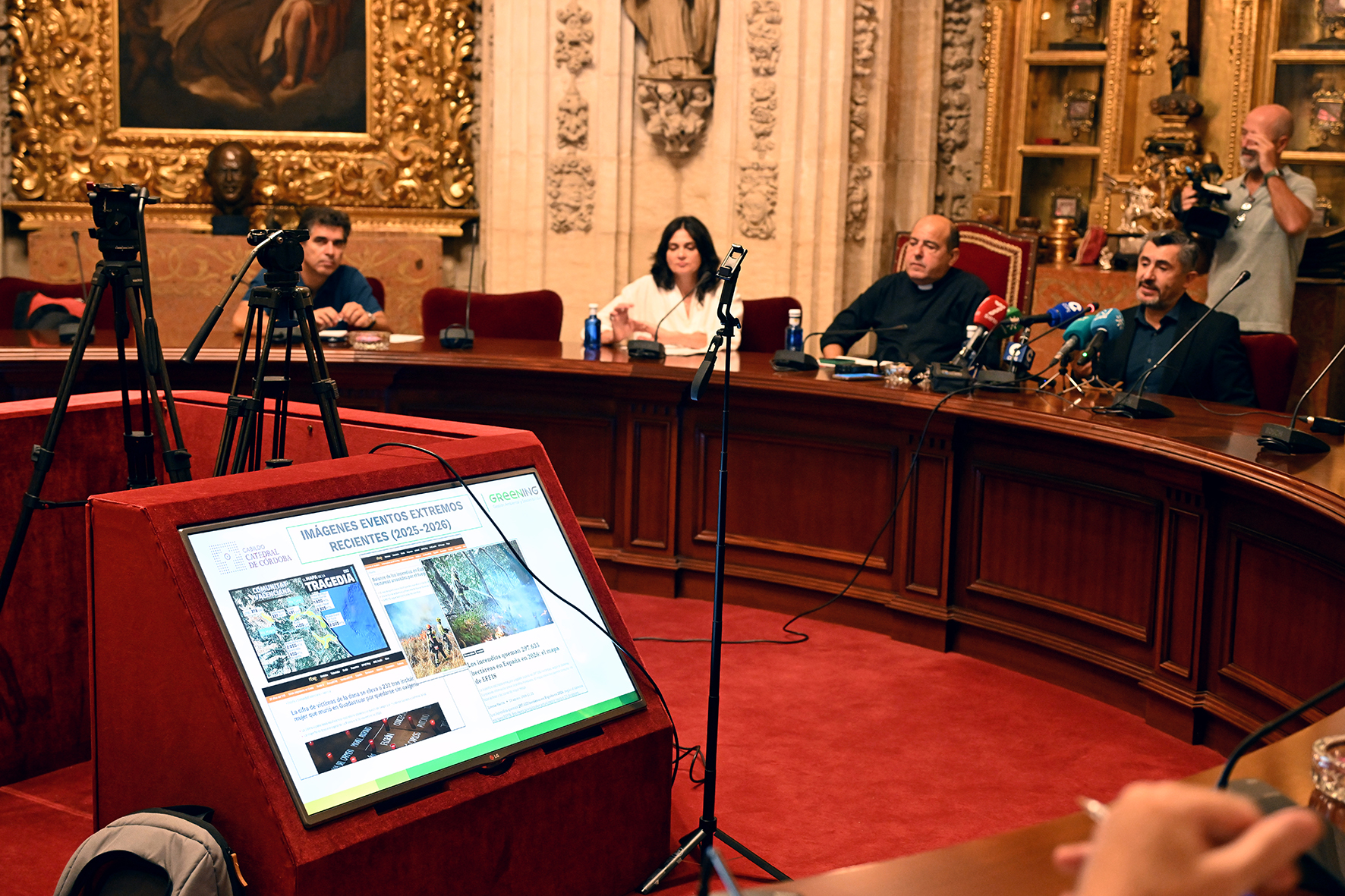
The Mosque-Cathedral reduces its carbon footprint by 15.4% in one year
The Cabildo Catedral de Córdoba lowered in 2025 the emissions associated with its activity to 93.01 tonnes of CO2 equivalent, almost 17 tonnes less than the previous year, according to a study by the consultancy Greening Consulting.
Redacción · Published on September 14, 2026
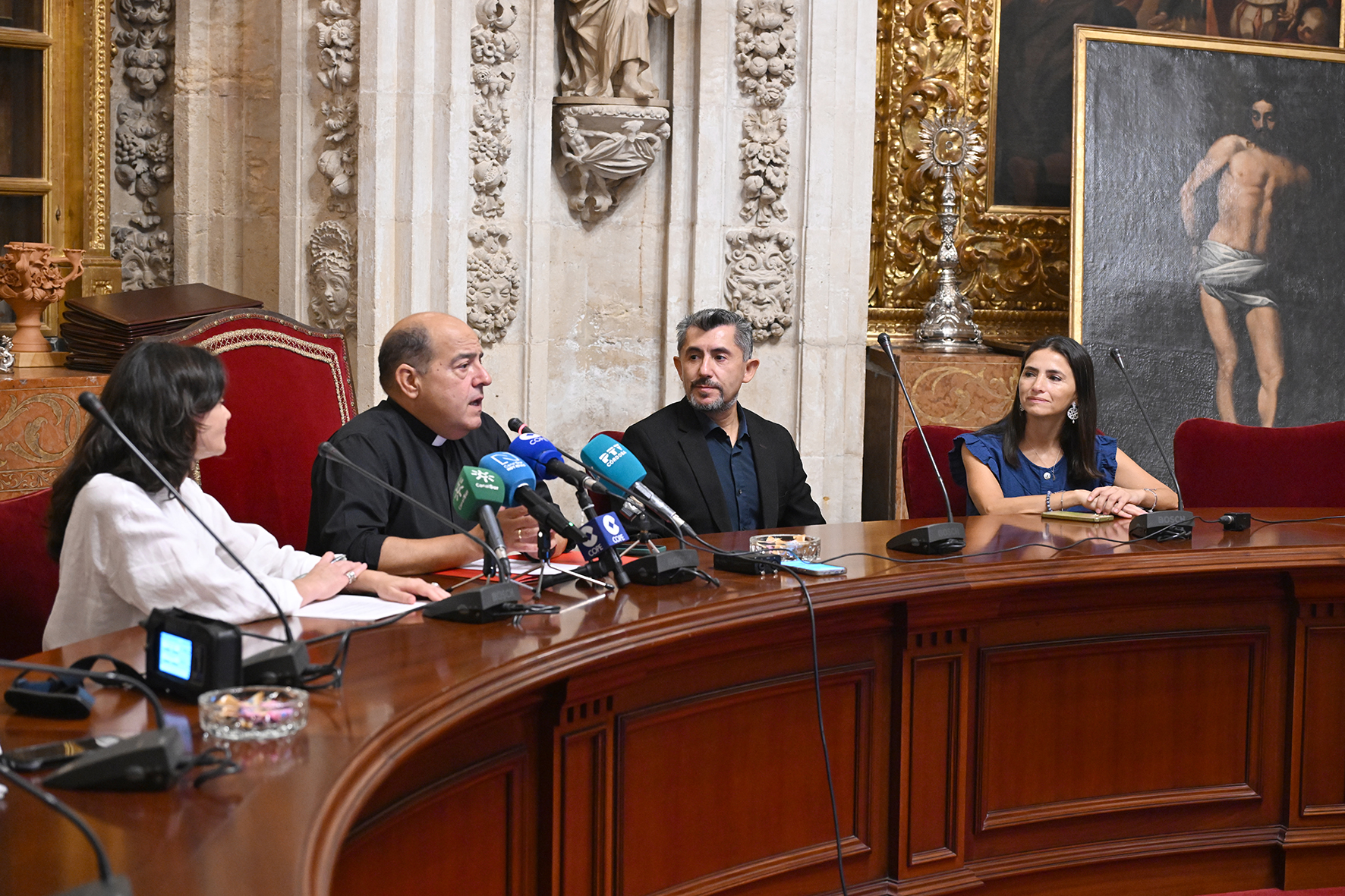
The Cabildo Catedral de Córdoba has reduced by 15.4% the carbon footprint associated with the analysed activity of the Mosque-Cathedral during 2025, according to the results of a study carried out by the consultancy Greening Consulting.
The calculated footprint went from 109.94 tonnes of CO2 equivalent in 2024 to 93.01 tonnes in 2025, a reduction of close to seventeen tonnes in a single year. The canon spokesman of the Cabildo, José Juan Jiménez Güeto, explained that this figure is roughly equivalent to what twenty petrol cars emit in a year, and that the reduction recorded would be equivalent, according to his calculations, to the emissions of a car travelling four times around the world.
The study, drawn up according to the international GHG Protocol (the standard for measuring and reporting greenhouse gas emissions), maintains the same methodology and the same organisational boundaries as the previous exercise, which allows both years to be compared.
The analysis distinguishes between direct emissions (Scope 1), from natural gas, corporate vehicles, machinery and the generator set, and indirect emissions (Scope 2), derived from the electricity purchased for the facilities managed by the institution.
Electricity, main source of emissions
Direct emissions totalled 17.37 tonnes of CO2 equivalent in 2025, 2.8% less than the previous year, due mainly to lower natural gas consumption and a reduction of 2,240 kilometres in the use of corporate vehicles.
Emissions linked to electricity consumption stood at 75.64 tonnes of CO2 equivalent, 17.74% less than in 2024. That decrease is due both to a 5.68% reduction in overall electricity consumption and to lower emission factors from the supplying companies.
Electricity accounts for around 81% of the calculated carbon footprint, so it remains the main area of action for the Cabildo in terms of efficiency and decarbonisation.
Among the measures planned are environmental training for staff, the progressive renewal of lighting and equipment for others with greater energy efficiency, the study of renewable energy alternatives and the improvement of environmental data collection systems. The study itself points to the next challenge as progressively incorporating Scope 3 emissions, corresponding to other indirect emissions that could not be quantified in the 2025 inventory.
According to the note sent by the Cabildo Catedral, this measurement is part of the sustainability strategy that the institution has been developing, aligned with the Sustainable Development Goals (SDGs), and continues on from the first Sustainability Report, presented last year, while a second edition is already being prepared.
The process began with the establishment, in October 2023, of the Mosque-Cathedral's sustainability team, and in March 2025 a collaboration agreement was formalised for measuring the carbon footprint as an environmental diagnostic tool.
The calculated footprint went from 109.94 tonnes of CO2 equivalent in 2024 to 93.01 tonnes in 2025, a reduction of close to seventeen tonnes in a single year. The canon spokesman of the Cabildo, José Juan Jiménez Güeto, explained that this figure is roughly equivalent to what twenty petrol cars emit in a year, and that the reduction recorded would be equivalent, according to his calculations, to the emissions of a car travelling four times around the world.
The study, drawn up according to the international GHG Protocol (the standard for measuring and reporting greenhouse gas emissions), maintains the same methodology and the same organisational boundaries as the previous exercise, which allows both years to be compared.
The analysis distinguishes between direct emissions (Scope 1), from natural gas, corporate vehicles, machinery and the generator set, and indirect emissions (Scope 2), derived from the electricity purchased for the facilities managed by the institution.
Electricity, main source of emissions
Direct emissions totalled 17.37 tonnes of CO2 equivalent in 2025, 2.8% less than the previous year, due mainly to lower natural gas consumption and a reduction of 2,240 kilometres in the use of corporate vehicles.
Emissions linked to electricity consumption stood at 75.64 tonnes of CO2 equivalent, 17.74% less than in 2024. That decrease is due both to a 5.68% reduction in overall electricity consumption and to lower emission factors from the supplying companies.
Electricity accounts for around 81% of the calculated carbon footprint, so it remains the main area of action for the Cabildo in terms of efficiency and decarbonisation.
Among the measures planned are environmental training for staff, the progressive renewal of lighting and equipment for others with greater energy efficiency, the study of renewable energy alternatives and the improvement of environmental data collection systems. The study itself points to the next challenge as progressively incorporating Scope 3 emissions, corresponding to other indirect emissions that could not be quantified in the 2025 inventory.
According to the note sent by the Cabildo Catedral, this measurement is part of the sustainability strategy that the institution has been developing, aligned with the Sustainable Development Goals (SDGs), and continues on from the first Sustainability Report, presented last year, while a second edition is already being prepared.
The process began with the establishment, in October 2023, of the Mosque-Cathedral's sustainability team, and in March 2025 a collaboration agreement was formalised for measuring the carbon footprint as an environmental diagnostic tool.