29-N general election in Córdoba How to vote, the calendar and every result since 1977

The Mezquita-Catedral studies 167 beams of its 10th-century roof

Topics Cabildo Catedral de Córdoba Mezquita-Catedral de Córdoba

An international team analyzes over three years the oldest woods in Europe preserved in the monument, funded by the German DFG.

InfoCórdoba newsroom ·
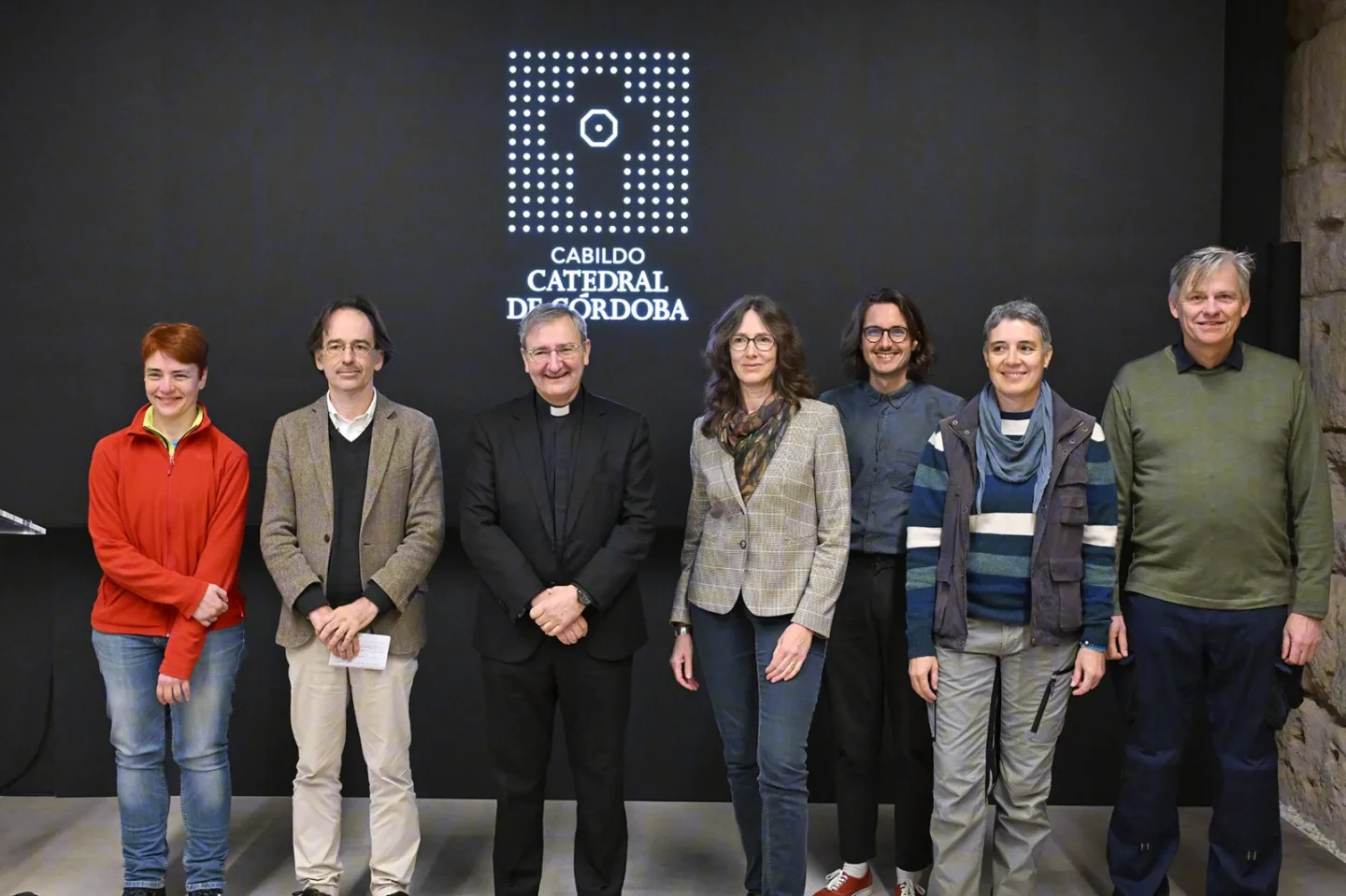
Siete personas de pie, posando en fila ante un panel oscuro con el logotipo y el texto Cabildo Catedral de Córdoba.
Photo: Cabildo de la Mezquita-Catedral
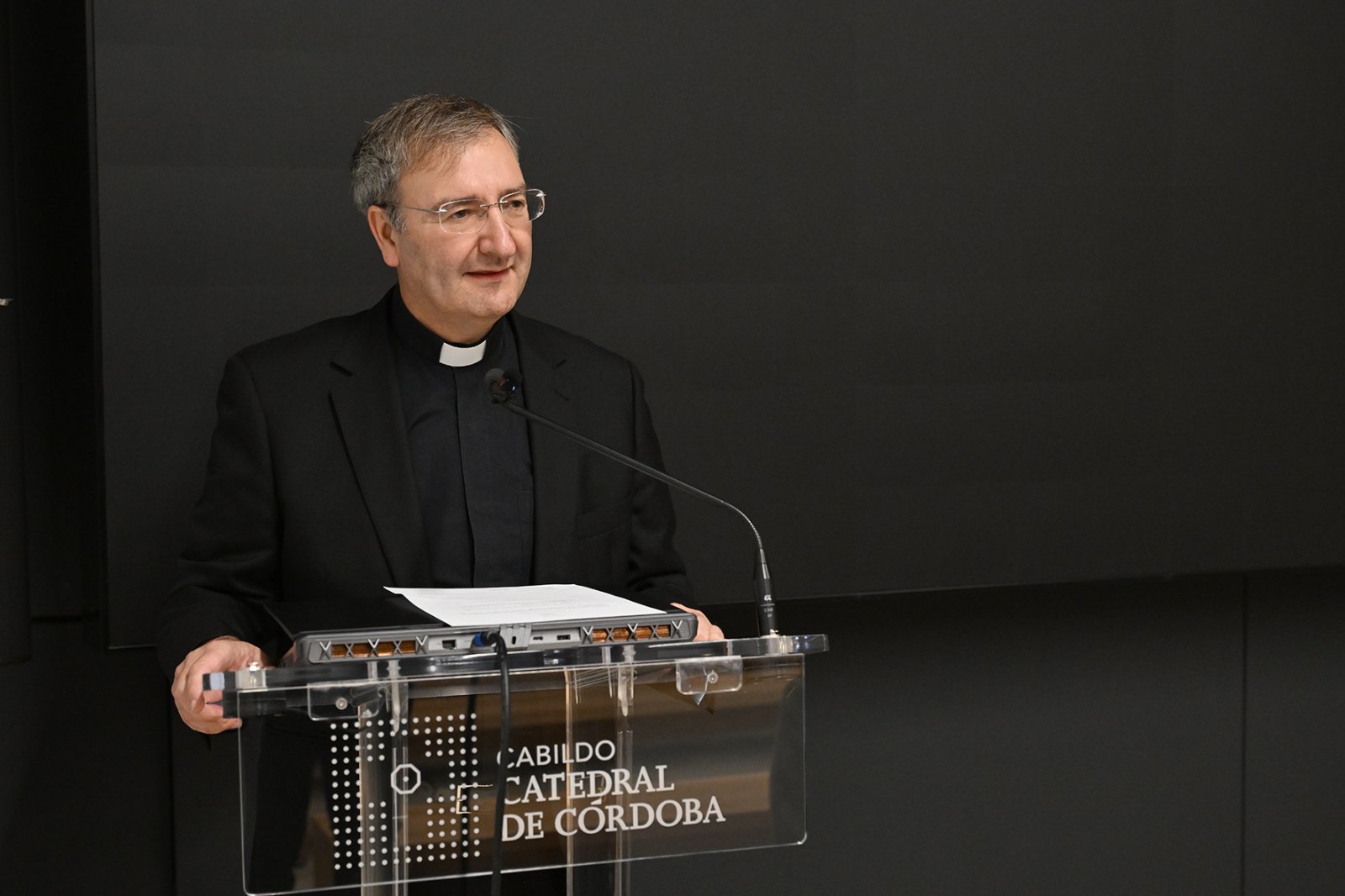
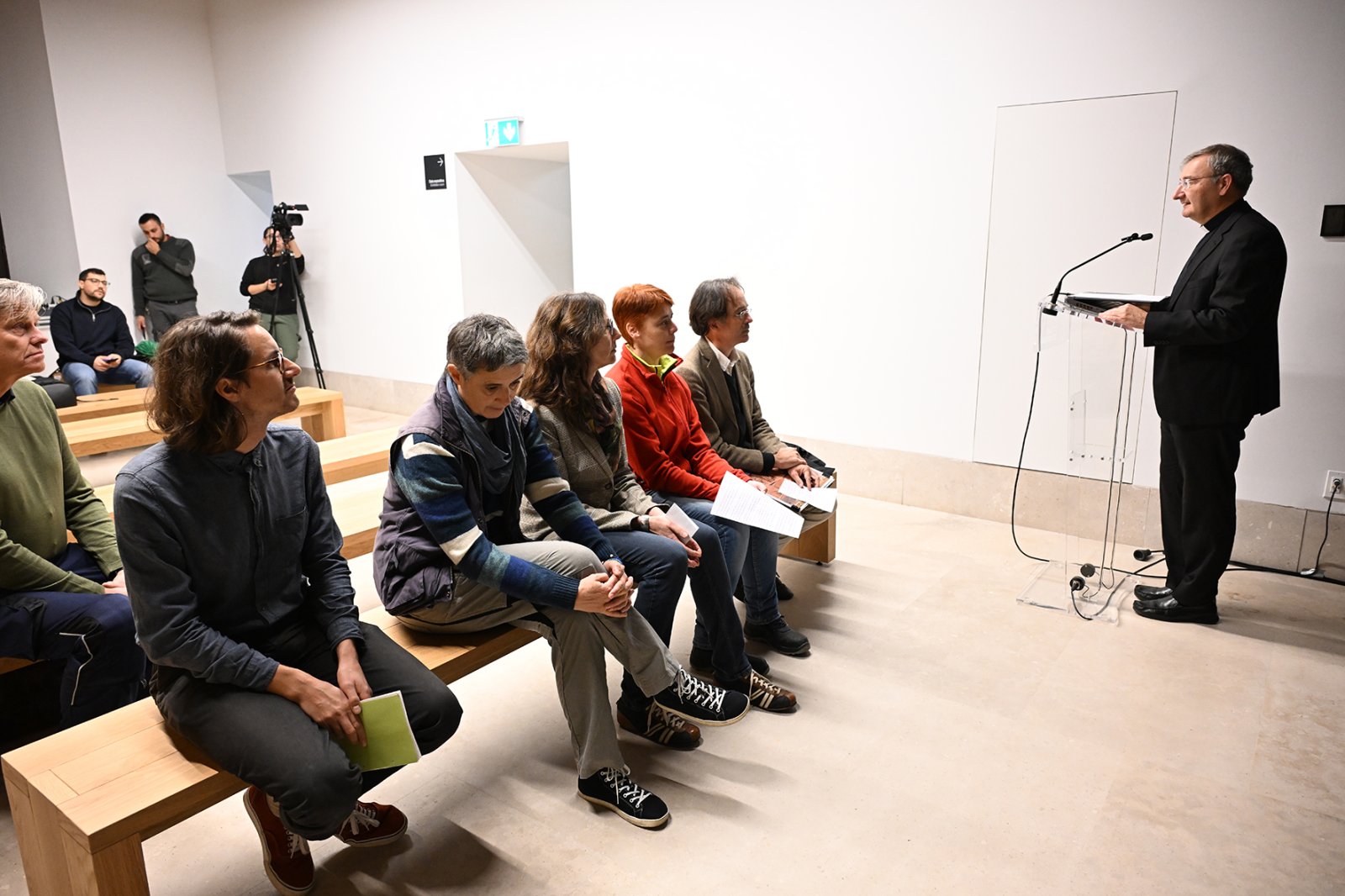
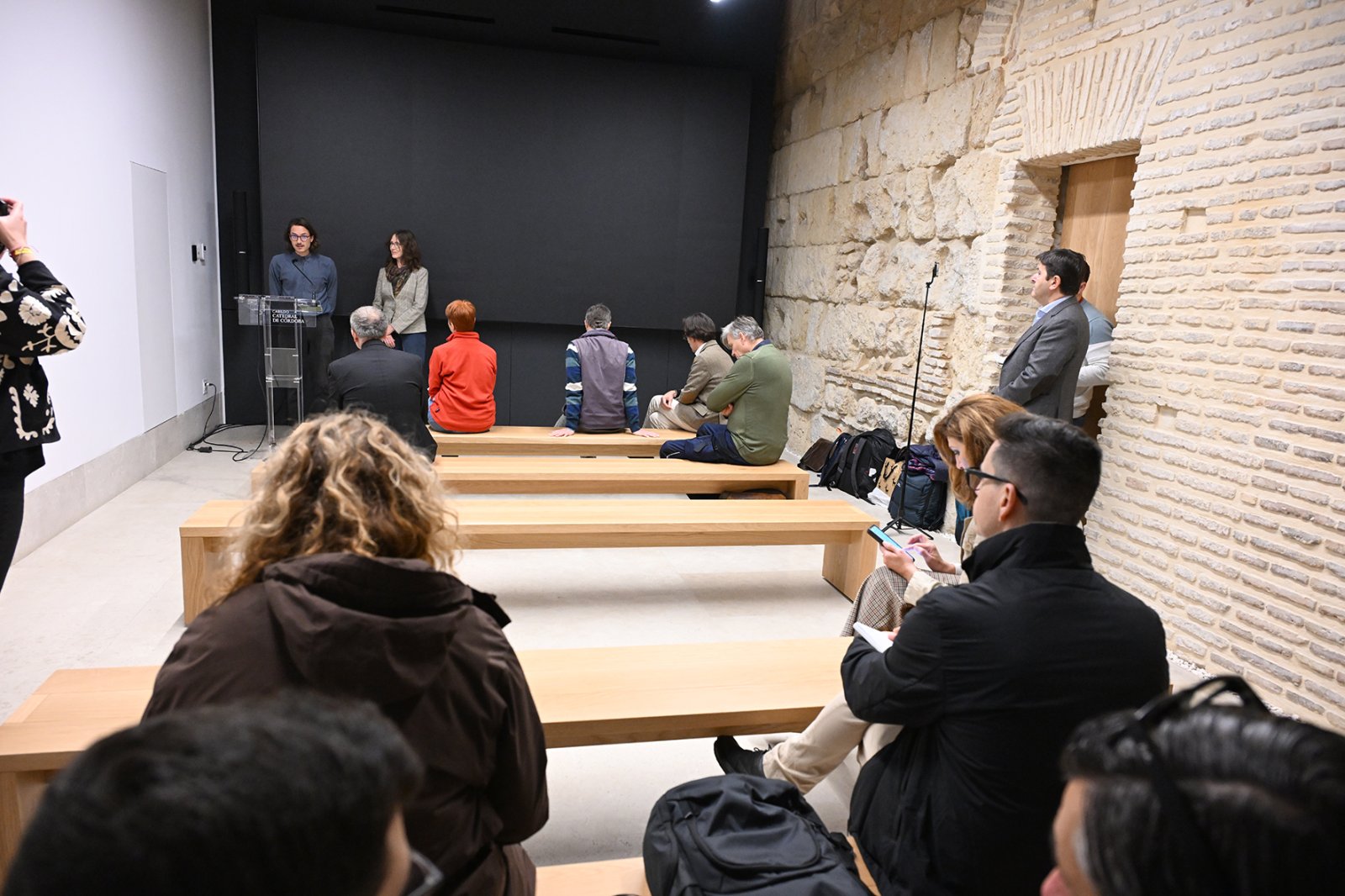
One hundred and sixty-seven beams and 65 panels of the wooden ceiling of the Mezquita-Catedral, most of them from the 10th-century alfarje, are the subject of an international project that has just begun at the monument. According to the Cabildo Catedral, these are the oldest and most complete remains of a wooden ceiling and a roof structure preserved in Europe. The work is expected to last three years and is funded by the German Research Foundation (DFG). Its aim is to gather precise information about the original appearance of the roof of the caliphal building and to reconstruct its historical evolution up to the present day.

Three universities and one institute

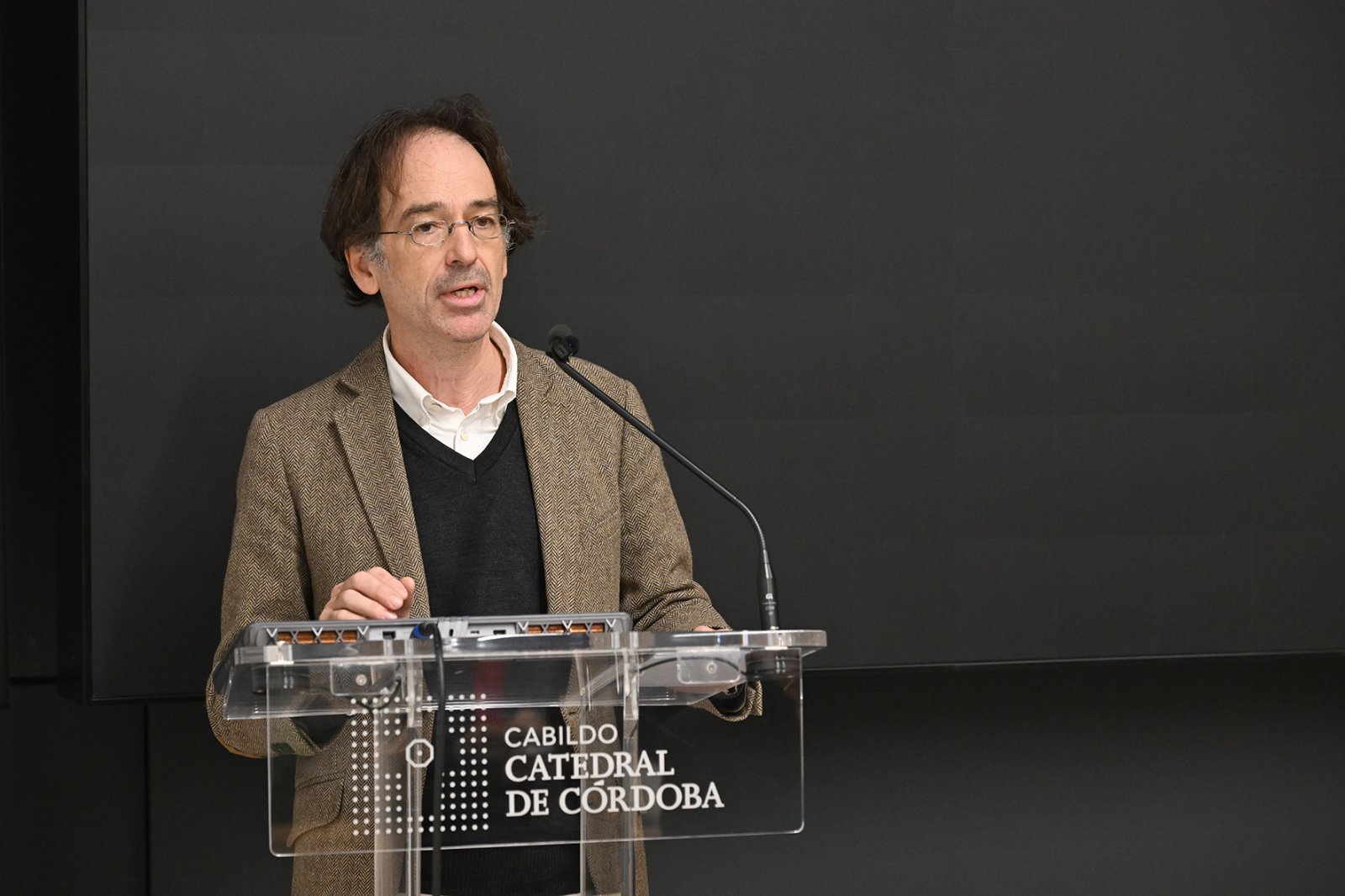
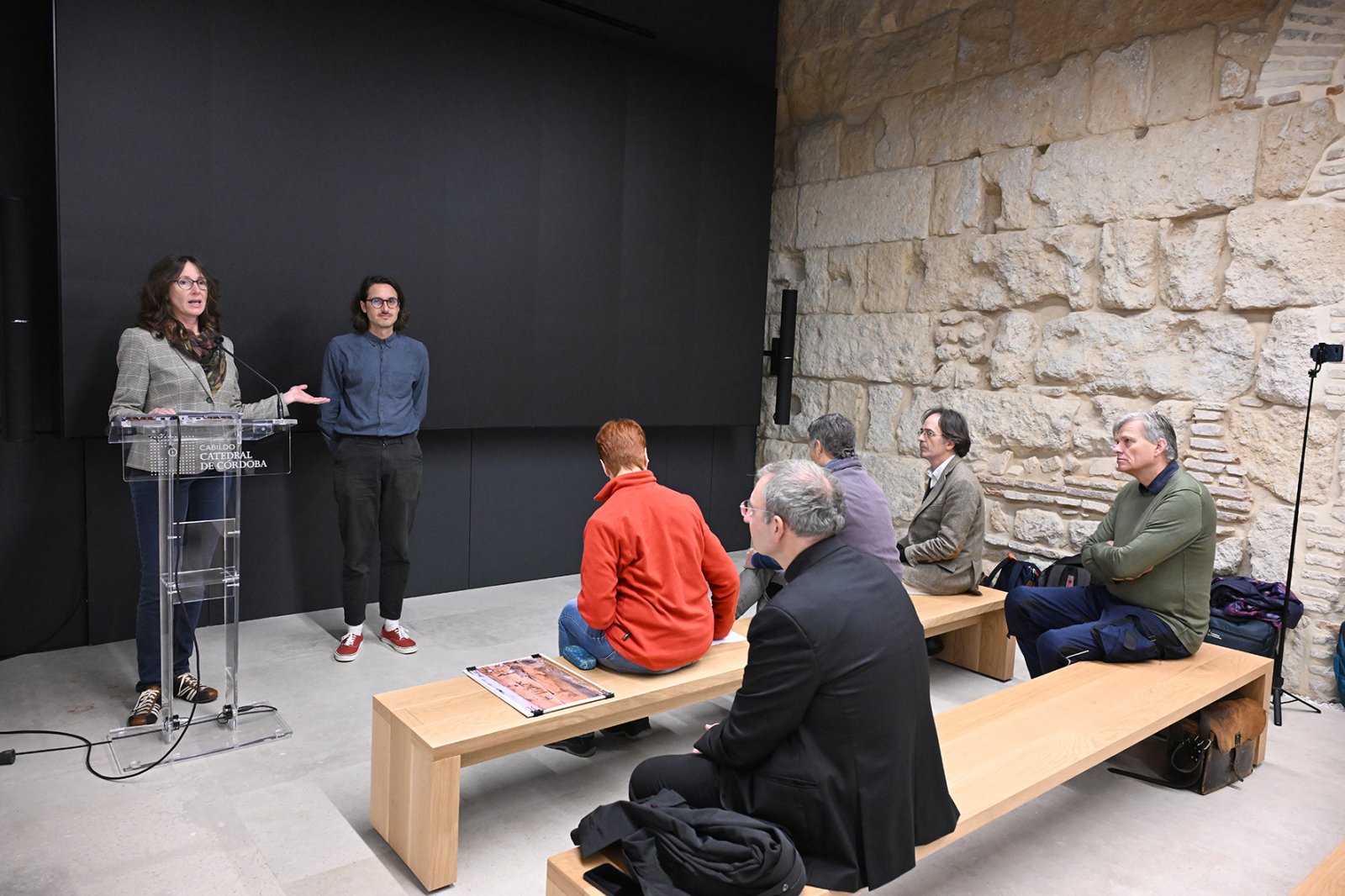
The project is led by Felix Arnold, of the German Archaeological Institute; Ulrike Fauerbach, of the University of Braunschweig, and Thomas Eißing, of the University of Bamberg. Each institution has been assigned an area of study. Braunschweig analyses the architectural structure of the roof, which will make it possible to understand the spatial effect of the original alfarje and to document later reforms, such as those of the 14th century. The German Archaeological Institute focuses on the decoration: reliefs and polychromy from the caliphal period, preparatory sketches and craftsmen's marks in Arabic. Bamberg studies the wood: species, provenance, felling techniques and radiocarbon dating, with which it is hoped to establish an exact chronology and fill the gap in European dendrochronology between the 10th and 12th centuries. In the first campaign, lasting two months, the team has inventoried, described, drawn and photographed the pieces displayed in the courtyard. They come mostly from the 10th-century alfarje, recovered in the restorations begun in 1875 and studied in their day by Félix Hernández. The results will be incorporated into the conservation work that the Cabildo has underway. Scientific collaboration between the Cabildo and the German Archaeological Institute dates back to 1960, as the institution recalls.

Shall we let you know what matters?

Phone alerts

Change or remove it in my alerts

5 fotos

Foto: Cabildo de la Mezquita-Catedral