
ASAJA criticises the European Parliament's rejection of a safeguard for fertilisers
The agricultural organisation asks for the mechanism to be recovered in the final negotiations of the regulation on the carbon border adjustment, given the risk that its cost will fall on farmers.
Redacción · Published on September 19, 2026
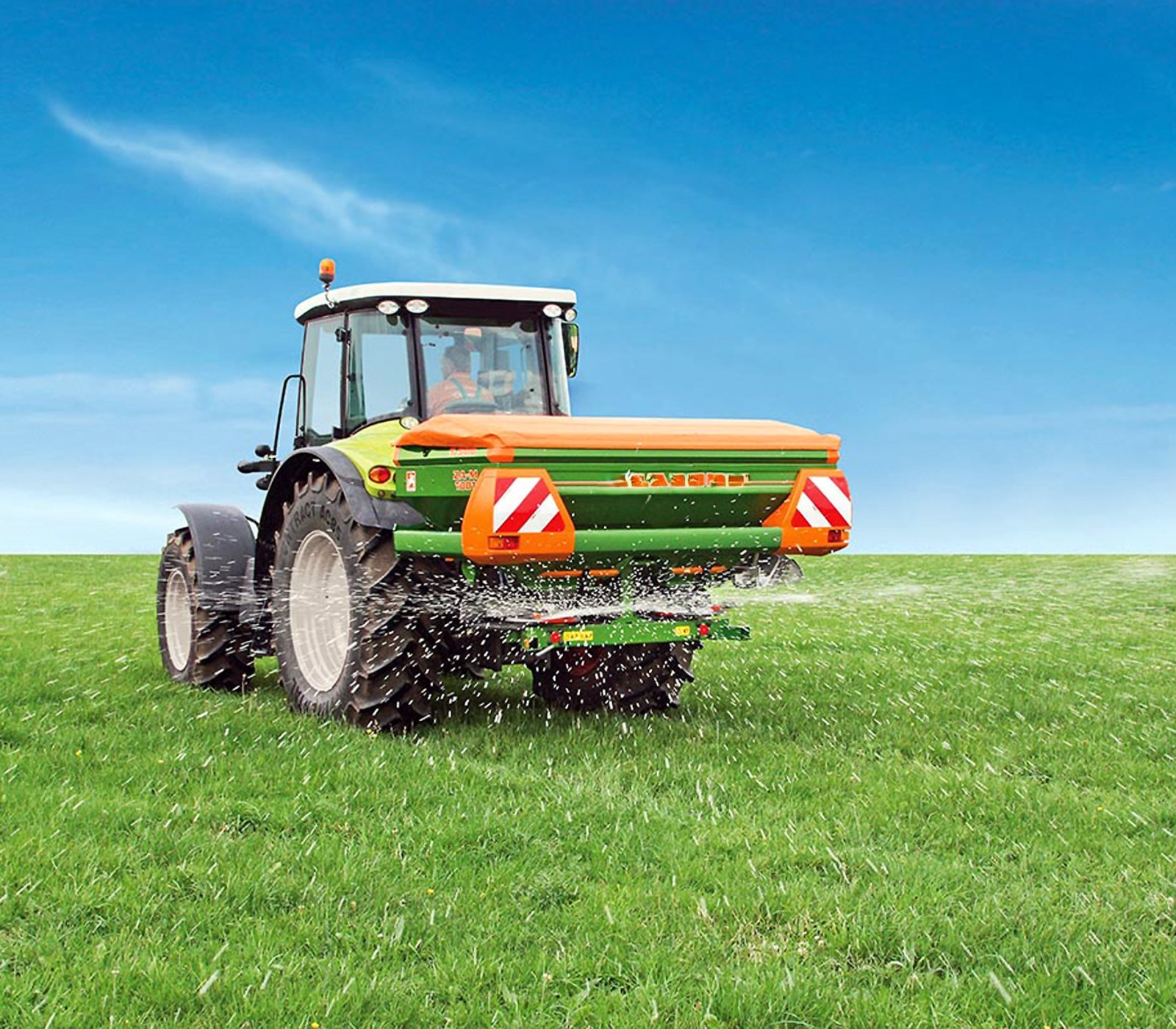
ASAJA Córdoba has regretted the European Parliament's rejection of an amendment that proposed a temporary safeguard for fertilizers within the review of the Carbon Border Adjustment Mechanism (CBAM), the European rule that applies a carbon cost to certain imported products.
According to the note issued by the organization, the vote took place in the European Parliament and dismissed the article known as 27a, which the Council had considered as a tool to act in the face of sharp price rises or extraordinary situations in the fertilizer market.
The agricultural organization now calls for article 27a to be reinstated during the upcoming trilogues, the negotiations between the European Parliament, the Council and the European Commission to finalize the definitive text of the rule.
Debate on the origin of the costs
ASAJA links the CBAM to the Emissions Trading System (ETS), the European system that puts a price on industry emissions, and maintains that this system is the origin of much of the costs affecting the European fertilizer industry. In its view, a less competitive industry makes it harder to guarantee the supply of fertilizers at affordable prices for farmers.
The organization also raises a debate on the approach of part of the European fertilizer industry, since it considers that the CBAM should not be presented as a solution to that sector's competitiveness problems when its costs end up being passed on to the price paid by farmers.
Coinciding with the debate on the State of the Union which, according to the note, was held on the same day as the vote, ASAJA has called on the President of the European Commission, Ursula von der Leyen, to include among the Community's priorities the elimination of the ETS, considering that its cost puts the competitiveness of the European fertilizer industry at risk.
The agricultural organization concludes that the fertilizer industry and the agricultural sector are part of the same chain, so that decisions affecting the former later have an impact on farmers, consumers and European food security.
According to the note issued by the organization, the vote took place in the European Parliament and dismissed the article known as 27a, which the Council had considered as a tool to act in the face of sharp price rises or extraordinary situations in the fertilizer market.
The agricultural organization now calls for article 27a to be reinstated during the upcoming trilogues, the negotiations between the European Parliament, the Council and the European Commission to finalize the definitive text of the rule.
Debate on the origin of the costs
ASAJA links the CBAM to the Emissions Trading System (ETS), the European system that puts a price on industry emissions, and maintains that this system is the origin of much of the costs affecting the European fertilizer industry. In its view, a less competitive industry makes it harder to guarantee the supply of fertilizers at affordable prices for farmers.
The organization also raises a debate on the approach of part of the European fertilizer industry, since it considers that the CBAM should not be presented as a solution to that sector's competitiveness problems when its costs end up being passed on to the price paid by farmers.
Coinciding with the debate on the State of the Union which, according to the note, was held on the same day as the vote, ASAJA has called on the President of the European Commission, Ursula von der Leyen, to include among the Community's priorities the elimination of the ETS, considering that its cost puts the competitiveness of the European fertilizer industry at risk.
The agricultural organization concludes that the fertilizer industry and the agricultural sector are part of the same chain, so that decisions affecting the former later have an impact on farmers, consumers and European food security.